KER PAUL MBOYA INSTITUTE FOR CULTURE, LEADERSHIP AND DEVELOPMENT (KPM-ICLD)
Updated on October 22, 2026
Africa’s rich cultural heritage and history are central to its identity and sustainable development. Despite the effects of slavery and colonialism, African scholars and institutions continue to reclaim and document the continent’s historical contributions. UNESCO’s General History of Africa, now comprising 11 volumes, provides an important foundation for understanding Africa’s past from African perspectives.
About the Institute
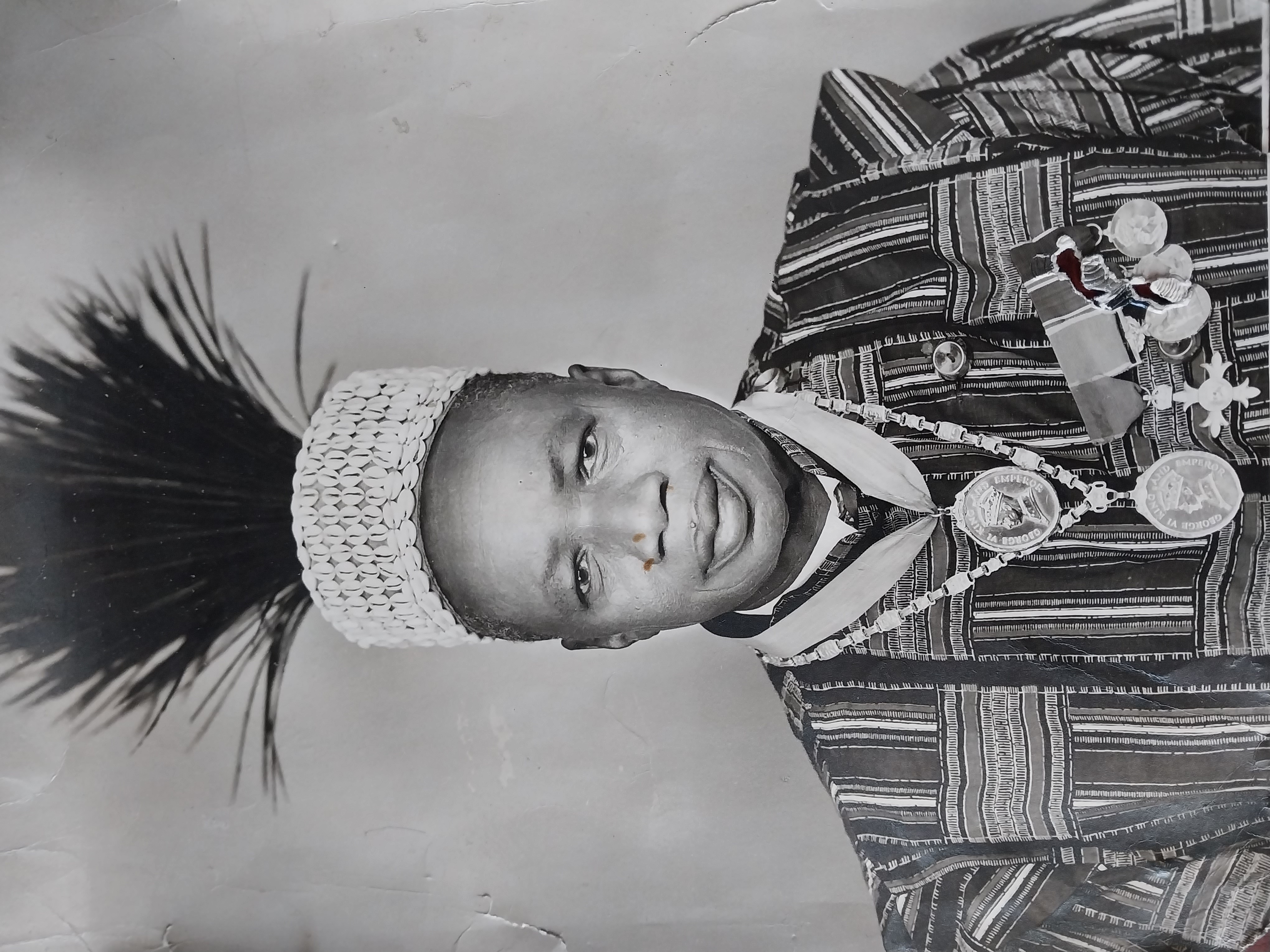
Tom Mboya University established the Ker Paul Mboya Institute for Culture, Leadership and Development (KPM-ICLD) to honour Ker Paul Mboya (1895–1981), a renowned ethnographer, educator, administrator, entrepreneur, conservationist and community leader.
Ker Paul Mboya documented Luo and East African cultures, histories, livelihoods, spirituality, biodiversity and economic practices in the Luo language. Guided by values of simplicity, honesty and integrity, he championed community development and mentored future leaders.
Building on this legacy, KPM-ICLD aspires to become a global research and training hub for cultural heritage, leadership development and policy advocacy. Through research, partnerships and public engagement, the Institute seeks to preserve indigenous knowledge while addressing contemporary development challenges.
Why the Institute Matters
Africa’s diverse peoples, languages, histories and ecological settings require research grounded in local experiences and perspectives. KPM-ICLD promotes regional and community-based studies that deepen understanding of cultural connections, cross-border interactions and the relationship between heritage, governance and sustainable development.
The Institute will connect local knowledge with national, regional and global scholarship, including contributions from the African Diaspora.
Key Goals and Programmes
KPM-ICLD will focus on three strategic areas:
Culture and heritage: Documenting the histories and cultural connections of Nilotic peoples, beginning with Lake-region communities, and highlighting their contributions to statecraft and democratic development.
Ethical leadership: Preserving Ker Paul Mboya’s leadership philosophy and promoting ethical and servant leadership through research, training and advocacy.
Education and social change: Documenting pioneers who transformed education and communities, and applying their experiences to youth leadership and democratic participation.
The Institute’s objectives include establishing research and leadership training programmes, empowering women through leadership research, mentoring young people, publishing leadership biographies, and strengthening research partnerships and cultural exchanges.
Partnerships and Strategic Direction
The Institute will operate within Tom Mboya University’s governance and policy framework, supported by internal and global advisory groups comprising multidisciplinary experts, researchers and institutions.
Its initial activities include pursuing a UNESCO Chair on Culture and Heritage, developing a 2026–2028 work plan and a long-term strategic plan, promoting collaborative research, and establishing a Women in Leadership Programme.
Looking Ahead
As the first public university in Homa Bay County, Tom Mboya University is committed to expanding access to knowledge, research and innovation. Through KPM-ICLD, the University seeks to advance the preservation of Nilotic culture and heritage, strengthen ethical leadership, and foster sustainable community development.
By connecting indigenous knowledge with contemporary research and global partnerships, the Institute aims to preserve Africa’s cultural legacy while inspiring future generations of responsible leaders and change-makers.